
Moving to Malaga: Complete Guide for Expats and Digital Nomads
A practical pillar guide for anyone planning to move to Malaga or already moving to Malaga, Spain: visa route, housing, NIE Malaga, paperwork, local registration and first-step setup for new Malaga expats.
Move Malaga checklist: quick answer
Moving to Malaga usually involves choosing the correct visa or residency route, finding accommodation, obtaining a NIE number, registering locally and arranging healthcare or insurance. If you plan to move to Malaga for work, remote life or retirement, the city offers a strong mix of connectivity, climate and international community. Malaga has become one of Spain's most attractive destinations for expats and digital nomads thanks to its Mediterranean lifestyle, international connectivity and growing international community.
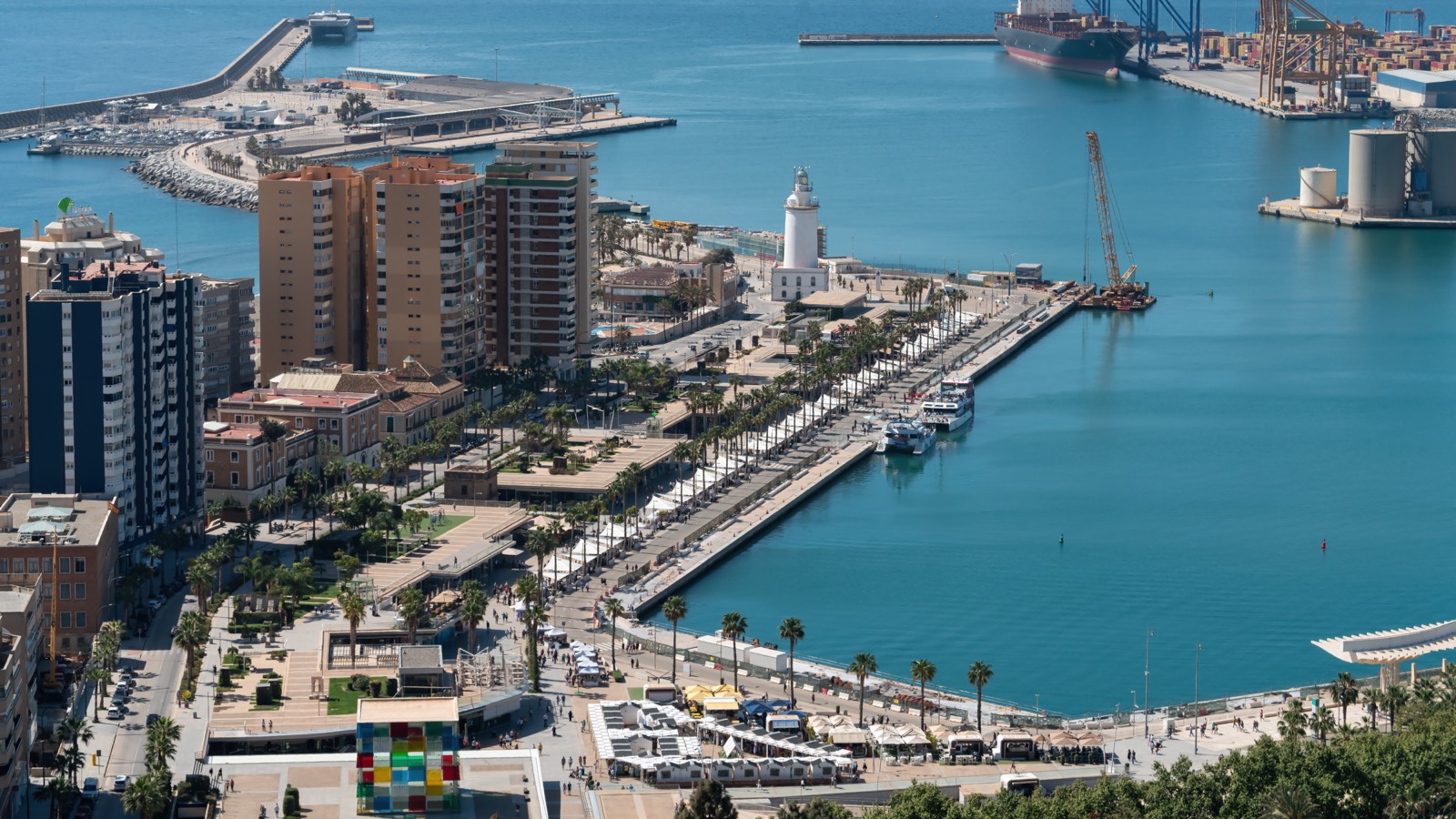
Planning your move with the right legal and practical steps from day one.
Why people are moving to Malaga
Malaga attracts international professionals and remote workers because of its lifestyle, climate and strong international links. According to Aena, Malaga-Costa del Sol Airport has 136 destinations operated by 51 airlines and companies, which supports frequent travel and international mobility.
The city has also strengthened its business profile with initiatives such as Google's cybersecurity engineering center in Malaga and Vodafone's European R&D / Innovation Hub in Malaga.
Malaga in numbers: why it leads expat relocation in Spain
Malaga is Spain's fifth-largest city by population and one of the fastest-growing in terms of international community. Its airport connects to over 136 destinations operated by 51 airlines, making it one of the best-connected cities in southern Europe for professionals who travel frequently.
The city's tech credentials have grown significantly in recent years. Google opened its cybersecurity engineering centre in Malaga and Vodafone chose the city for its European R&D and Innovation Hub. This ecosystem draws international talent and reinforces Malaga's reputation as a serious destination for professionals - not just a lifestyle choice.
Step-by-step: how to move to Malaga
1. Choose visa or residency route
Spain introduced the digital nomad visa under the Startup Law framework. Official Spanish consular information confirms remote work scenarios for foreigners and confirms that people already in Spain may apply for a residence permit without first obtaining a visa, depending on their case.
2. Find accommodation
Start with shortlisting neighborhoods aligned with your routine, commute needs and budget. Prices vary significantly depending on neighborhood and housing type.
Average rental prices in Malaga by neighbourhood (2026)
- Centro Historico and Soho: 950–1,400 EUR/month for a one-bedroom flat. Cosmopolitan atmosphere, high demand from digital nomads and young professionals.
- Pedregalejo and El Palo: 800–1,200 EUR/month. Coastal neighbourhoods with authentic local character, popular with families and those seeking relaxed seaside living.
- Teatinos: 750–1,050 EUR/month. Modern residential area close to the University of Malaga with good transport links. A practical choice for families with children.
- El Ejido and Carranque: 700–950 EUR/month. More affordable options with solid connections to the city centre by public transport.
- Fuengirola and Mijas (Costa del Sol): 750–1,100 EUR/month. Strong international communities, especially British and Nordic residents. Direct train to Malaga city in 40 minutes.
Rental prices have risen significantly over the past two years. Starting your search 6 to 8 weeks before your planned arrival date is advisable, and having documentation ready - passport, NIE if available, proof of income - will strengthen your position as an applicant.
3. Obtain NIE number
NIE-related steps are often central for many administrative processes. Plan this early to reduce downstream delays.
How to get your NIE in Malaga - step by step
- Book your appointment: Go to sede.gob.es or visit the Oficina de Extranjeros de Malaga in person (Avenida de la Aurora, 47). Appointments fill up weeks in advance - book as early as possible once your move is confirmed.
- Prepare your documents: Completed form EX-15, original passport plus a copy, one recent passport-size photo, and proof of payment of tasa 790 codigo 012.
- Attend your appointment: At the Oficina de Extranjeros or at an authorised National Police station in Malaga. Bring copies of everything.
- Collect your NIE: In some cases it is issued on the day. In others it may take a few working days.
Your NIE is essential for opening a Spanish bank account, signing a rental contract, enrolling children in school and registering with the public health system in Malaga. It is the first administrative step to resolve on arrival. If you are bringing a car or motorbike, plan registering your vehicle in Spain early too. If you need the full checklist, see our step-by-step NIE guide for Malaga.
4. Register locally
Local registration steps can vary by profile and administrative status. Keep documentation organized from the start.
Padron registration in Malaga - what it is and how to do it
The padron is the municipal residents' register. In Malaga, you register at the Ayuntamiento de Malaga or at your local district office (junta de distrito) depending on where you live. It is required to access local public services, obtain your health card and for many immigration procedures.
You will typically need your rental contract or a letter from your landlord, your passport or national ID, and the padron registration form. The certificate is usually issued immediately or within a few working days.
5. Arrange healthcare
Review your healthcare or insurance setup as part of your arrival planning, especially for long stays.
Is Malaga a good city for expats?
For many expats, yes. Malaga offers a strong mix of international access, lifestyle quality and community. It is often seen as attractive and relatively accessible compared with several major European cities for international professionals.
Is Malaga good for digital nomads?
Malaga is increasingly popular with digital nomads because it combines remote-work lifestyle, connectivity and a growing tech environment. If you are researching this profile specifically, see our guide on digital nomads in Malaga. If paperwork is your main concern, our NIE in Malaga guide goes deeper into appointments, forms and local process timing.
Cost of living in Malaga
Cost of living varies by lifestyle and area. Housing is usually the largest variable, and prices vary significantly depending on neighborhood and housing type.
As a practical reference, shared rooms in Malaga can often be found roughly from 400 to 700 EUR depending on area and conditions.
Monthly cost breakdown in Malaga - 2026 reference figures
- Housing: 700–1,400 EUR/month depending on neighbourhood and property type.
- Groceries: 250–400 EUR/month for one person shopping at Mercadona, Lidl or Carrefour.
- Public transport (EMT Malaga): monthly card from 35 EUR. The metro connects the city centre, Teatinos and the airport.
- Eating out: set lunch menu 10–14 EUR; dinner at a mid-range restaurant 20–35 EUR per person.
- Gym membership: 25–50 EUR/month.
- Utilities (electricity, water, internet): estimated 120–180 EUR/month for a one-bedroom flat.
Compared with Madrid or Barcelona, Malaga typically offers housing costs 15 to 25 percent lower. This makes it a strong option for remote workers earning salaries in stronger currencies - northern European or North American income goes significantly further here.
Best areas to live in Malaga
The best area depends on your priorities: commute style, daily life, and housing format. A neighborhood-first strategy helps make housing search and settling-in more efficient.
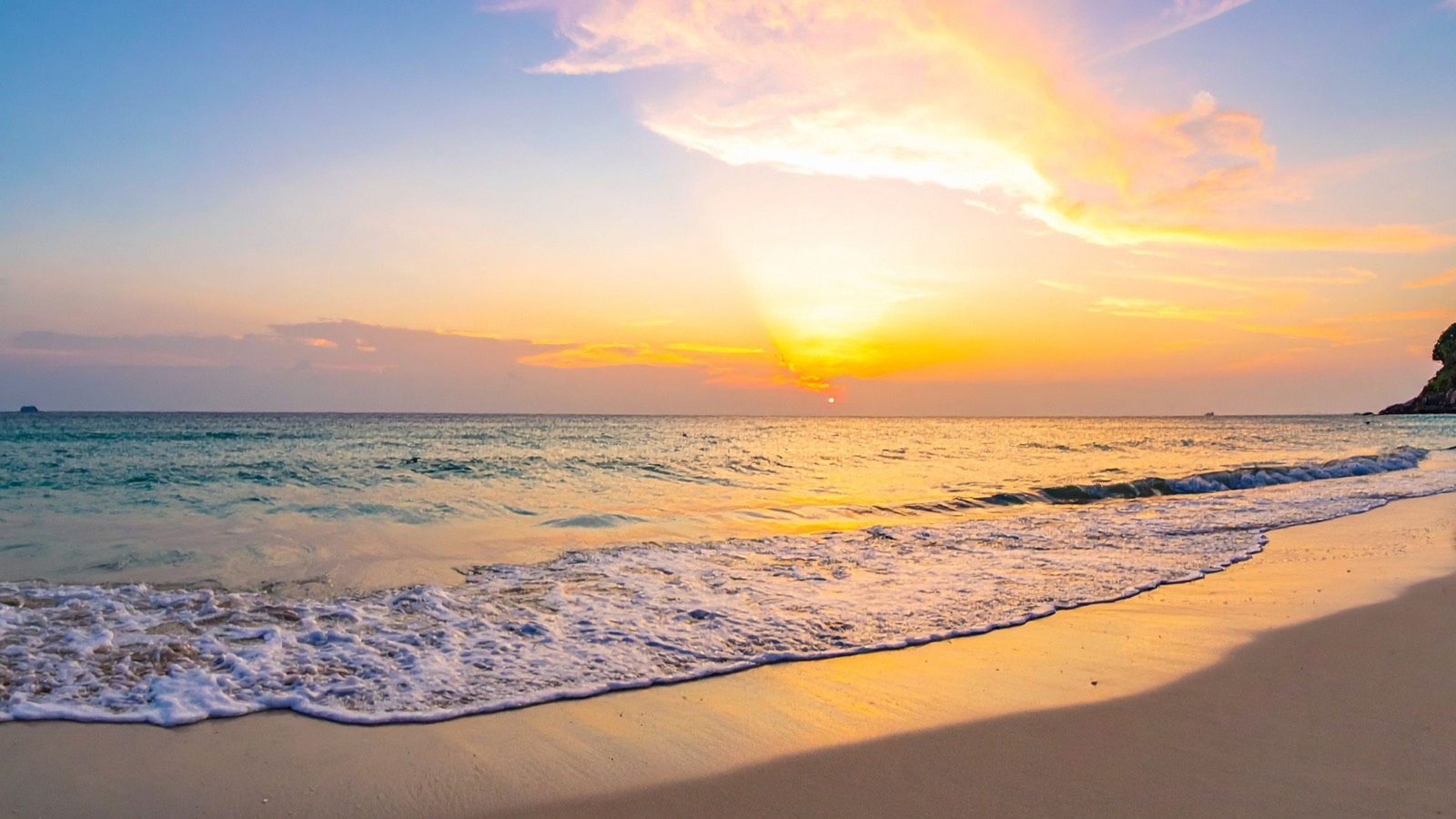
Neighborhood choice should align with lifestyle, commute and housing goals.
Neighbourhood guide for expats moving to Malaga
Centro Historico: Museums, restaurants and nightlife at your doorstep. Well suited to digital nomads and professionals without children. High demand keeps prices at a premium but the location is unmatched.
Soho (Ensanche Centro): Malaga's most cosmopolitan neighbourhood. Street art, coworking spaces, specialty coffee shops and a strong international community of remote workers and creatives.
Pedregalejo and El Palo: Traditional fishing neighbourhoods with beachfront chiringuitos, a local market and a relaxed pace. Popular with families and those who prefer authentic Malaga over tourist-heavy areas.
Teatinos: A modern university district with good schools nearby, shopping centres and fast metro access to the city centre and airport. Practical for families.
El Ejido: Well located between the historic centre and Teatinos. Good value for money and walkable access to most daily services.
Beyond Malaga city - Costa del Sol options
Fuengirola: 30 km from Malaga with a direct train in 40 minutes. One of the most established international communities on the Costa del Sol, with a wide range of international schools and English-language services.
Mijas: Popular with Nordic and British families. Covers both the inland village (Mijas Pueblo) and the coastal strip (Las Lagunas, La Cala). Known for its quiet residential character and good connections to Fuengirola and Malaga.
Benalmadena: Between Torremolinos and Fuengirola with its own marina and direct cercanias rail connections to Malaga city.
Do expats need relocation help in Malaga?
Many expats and remote workers benefit from professional support for paperwork, housing search and local setup. Sunwave Relocation supports those practical steps so you can focus on work and life from day one.
Explore our relocation services in Malaga and contact us if you want tailored support.
Moving to Malaga from the UK
British nationals moving to Malaga after Brexit need a visa or residency route before they can settle in Spain long term. The most common options are the Non-Lucrative Visa, the Digital Nomad Visa and, for some corporate profiles, the Highly Qualified Professional route.
The wider Malaga expats community includes a large British population across Málaga city, Fuengirola, Mijas and Benalmádena. That makes the move easier in practical terms, but housing, NIE, registration and day-to-day setup still need to be handled properly from the start.
FAQ
Is Malaga a good place to live for expats?
For many international professionals, Malaga is attractive due to lifestyle, climate, connectivity, and an international community.
Can foreigners live in Malaga?
Yes, through the appropriate visa or residency route depending on profile and legal status.
Is Malaga good for digital nomads?
Many digital nomads choose Malaga because of its connectivity, lifestyle and remote-work environment.
What paperwork is needed to move to Malaga?
Common steps include visa/residency pathway, NIE-related tasks, local registration and healthcare setup. For a practical breakdown of the NIE process itself, read our dedicated NIE guide for foreigners in Malaga.
Do expats need relocation help in Malaga?
Many do, especially when coordinating paperwork, housing and first-step administrative tasks.
How much does it cost to live in Malaga as an expat?
A realistic monthly budget ranges from 1,800 to 3,000 EUR including rent, groceries, transport and leisure. Housing is the main variable: a one-bedroom flat in the city centre costs between 950 and 1,400 EUR per month in 2026.
What are the best areas to live in Malaga for expats?
Centro Historico and Soho suit digital nomads and young professionals. Pedregalejo and El Palo offer authentic coastal living. Teatinos works well for families with children. On the Costa del Sol, Fuengirola and Mijas have the most established expat communities.
Does Sunwave Relocation cover the Costa del Sol?
Yes. Sunwave Relocation supports relocations across the province of Malaga including Fuengirola, Mijas, Benalmadena, Torremolinos and Marbella.
How do I get my NIE number in Malaga?
Book an appointment at the Oficina de Extranjeros de Malaga (Avenida de la Aurora, 47) via sede.gob.es. You will need form EX-15, your passport, a recent photo and the paid tasa 790 codigo 012. Sunwave Relocation can guide you through the full process, and our full NIE article explains each step in detail.
Can I apply for the Digital Nomad Visa from Malaga?
Yes. If you are already legally in Spain, you can apply for the digital nomad residence permit without going abroad first. Sunwave coordinates the process end-to-end with a specialist immigration partner.
How do I move to Malaga from the UK?
British nationals usually need a visa or residency route to live in Spain long term after Brexit. The most common options are the Non-Lucrative Visa, the Digital Nomad Visa or, in some corporate cases, the Highly Qualified Professional route. The right path depends on whether you plan to work, retire or relocate with a company.
Is Malaga a good place for expats?
Yes. Many Malaga expats choose the city for its climate, airport connectivity, walkable lifestyle and access to the wider Costa del Sol. The key is matching the right neighbourhood, legal route and budget to your profile before you move.
Download the Free Guide to Moving to Malaga
Get our free practical guide designed for expats and digital nomads planning their move to Malaga. It includes local services, housing orientation, transport, healthcare references and practical tips for everyday life in the city and Costa del Sol.
Need help with your move?
Talk to Sunwave for practical relocation support in Malaga.